Wood Anemone
Irish Name: Lus na Gaoithe
Botanical Name: Anemone nemorosa
My Story
"I am the wood anemone, the windflower — I dance in the spring breeze and disappear before summer arrives."
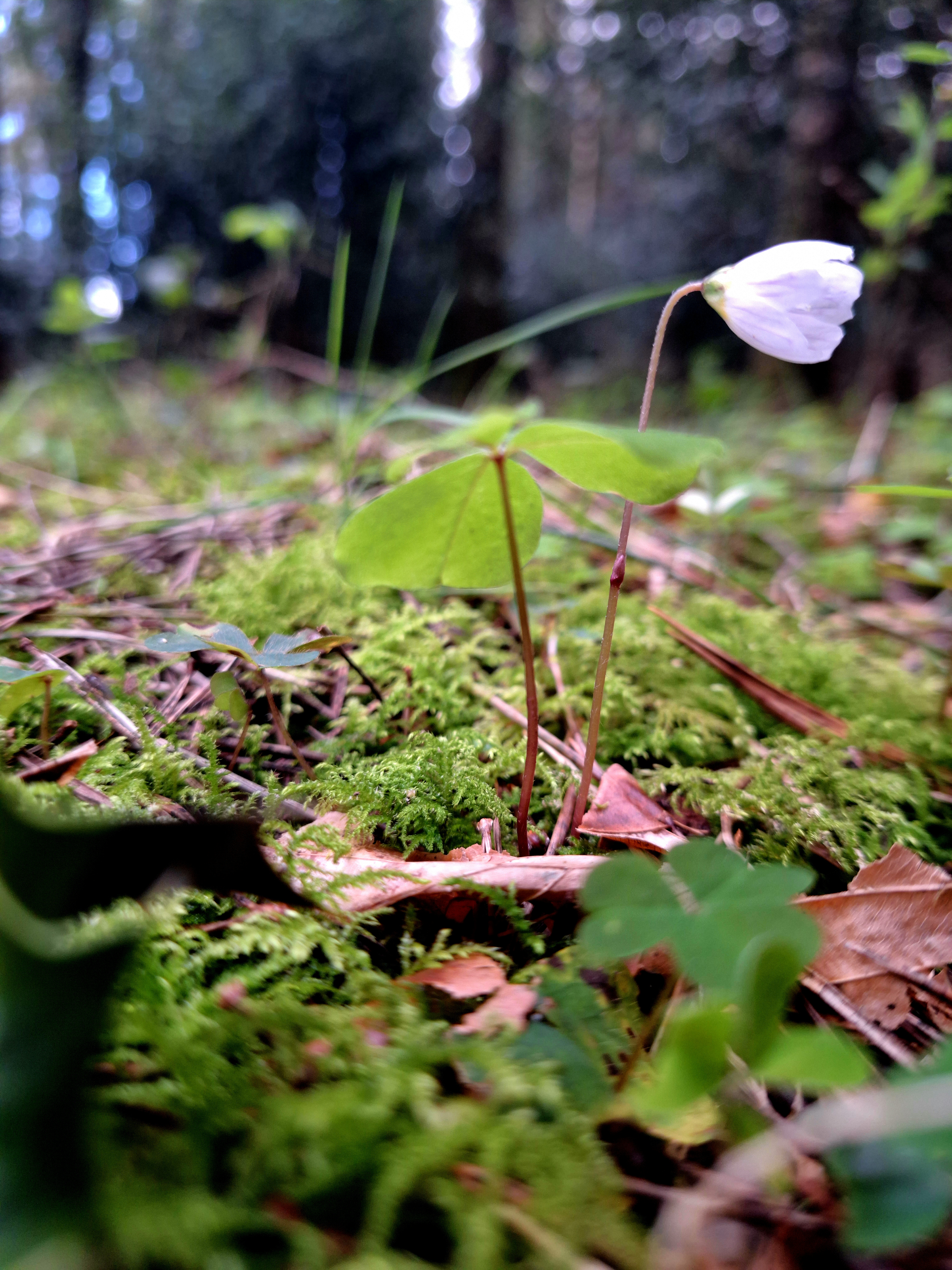
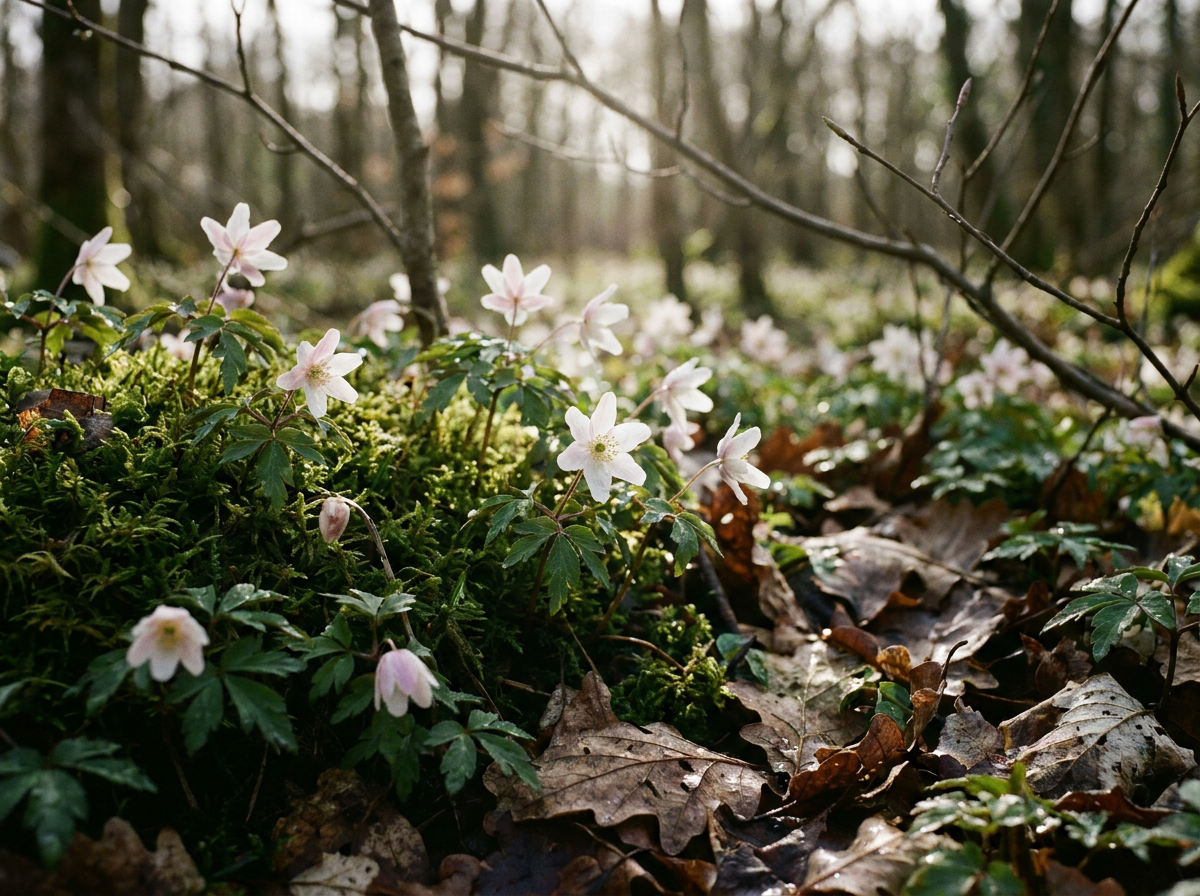
My name comes from the Greek word anemos, meaning wind. I'm the windflower — a delicate, nodding bloom that trembles in the slightest breeze. My white petals, often flushed with pink on their undersides, open to greet the spring sunshine and close again at night or when rain threatens.
I'm an ephemeral — a spring specialist. I appear in March, bloom through April and May, and then vanish completely by midsummer. My leaves wither, my flowers fade, and I retreat underground to my creeping rhizome, where I rest until the following spring. For most of the year, you'd never know I was there.
Where I grow in abundance, you're standing in ancient woodland. I spread very slowly — just a few centimetres a year through my underground rhizomes. A large carpet of wood anemones may have taken centuries to develop. I'm a living record of the forest's history.
My Home: Ancient Irish Woodlands
I thrive in the dappled shade of deciduous woodlands, particularly under oak, beech, and hazel. I love moist, humus-rich soil and the shelter of the forest canopy. I bloom in the brief window between winter's end and the full leafing of the trees — the "vernal window" when sunlight still reaches the forest floor.
I'm one of the most reliable indicators of ancient woodland in Ireland. Because I spread so slowly, my presence in large numbers tells ecologists that the woodland has been there for a very long time — possibly centuries. Where wood anemones carpet the floor, the forest is old and precious.
My flowers are visited by early bees and hoverflies, though I don't produce nectar — my visitors come for pollen. The pink-tinged undersides of my petals are thought to help attract pollinators by reflecting UV light in patterns invisible to the human eye.
Folklore & Mythology
In Greek mythology, anemones sprang from the tears of Aphrodite as she mourned the death of Adonis. The flower became a symbol of the fragility of life and the beauty that comes with transience.
In European folklore, wood anemones were associated with the fairy world. Their appearance in spring woodlands — white flowers trembling in the breeze among the bare trees — was seen as magical, otherworldly. In some traditions, picking wood anemones could bring bad luck or attract the attention of the fairy folk.
My Irish name, Lus na Gaoithe, means "plant of the wind" — a perfect description of the way I sway and dance in the spring breeze, as if the wind itself brought me to life.
From Woodland to Jewellery
Wood anemones are ethereally beautiful in resin. Their white petals with pink-tinged undersides create a soft, dreamy appearance — like tiny stars captured in glass. They're among the most delicate flowers I work with.
I collect wood anemones during their brief spring bloom, choosing flowers that are freshly opened. Each one is pressed gently and dried slowly to preserve the subtle pink blush and the delicate petal structure.
Set in crystal-clear resin, a wood anemone becomes a tiny piece of ancient woodland you can carry with you — a reminder of mossy paths, dappled light, and the fleeting magic of spring.
A Gentle Eco-Note
Wood anemones are common in Irish woodlands but they spread very slowly. I collect only a few flowers from large, established colonies, never disturbing the rhizomes. The plant needs its leaves to photosynthesise and store energy for next year's bloom.
If you spot wood anemones on a woodland walk, enjoy them where they grow. Their trembling white flowers are best appreciated in their natural setting — dancing in the spring breeze on the ancient forest floor.