Wood Sorrel
Irish Name: Seamsóg
Botanical Name: Oxalis acetosella
My Story
"I am wood sorrel, the gentle heart of the Irish forest floor."
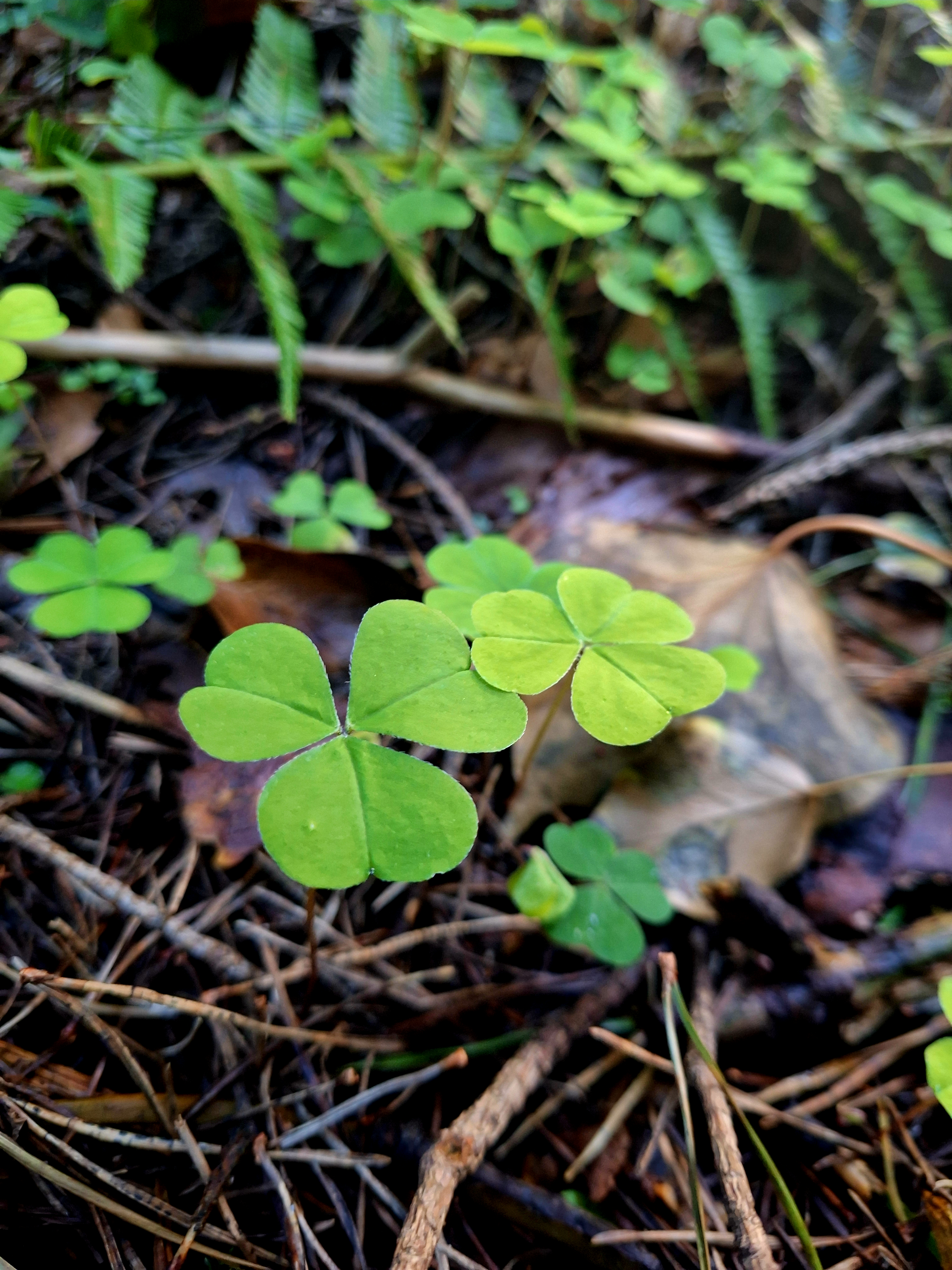
Look down as you walk through an Irish woodland in spring and you'll see me — carpets of delicate, heart-shaped trefoil leaves covering the ground like a living quilt. My three-lobed leaves look remarkably like shamrocks, and many believe I am the true shamrock of Ireland, the plant St. Patrick held up to explain the Holy Trinity.
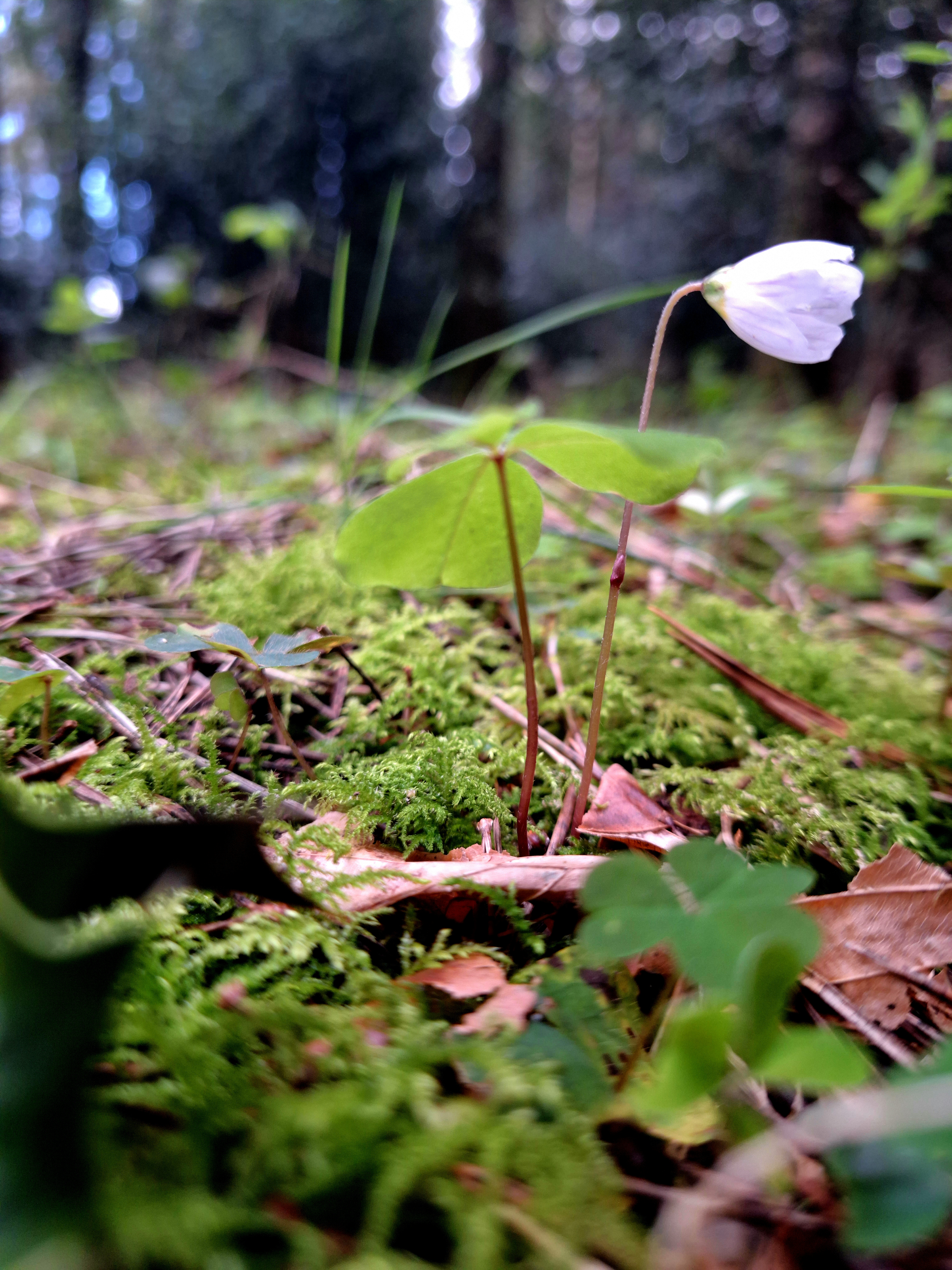
My flowers are my quiet pride: small, white, cup-shaped blooms with delicate lilac-pink veins running through each petal. They nod gently on slender stems, catching whatever light filters through the canopy above. I bloom from April through June, turning the forest floor into a constellation of tiny white stars.
My botanical name, Oxalis acetosella, gives away one of my secrets.Acetosella means "a little vinegar" — and if you nibble one of my leaves (just one!), you'll taste a sharp, lemony tang. That's oxalic acid, and it's been refreshing woodland walkers for centuries.
My Home: The Woodland Floor
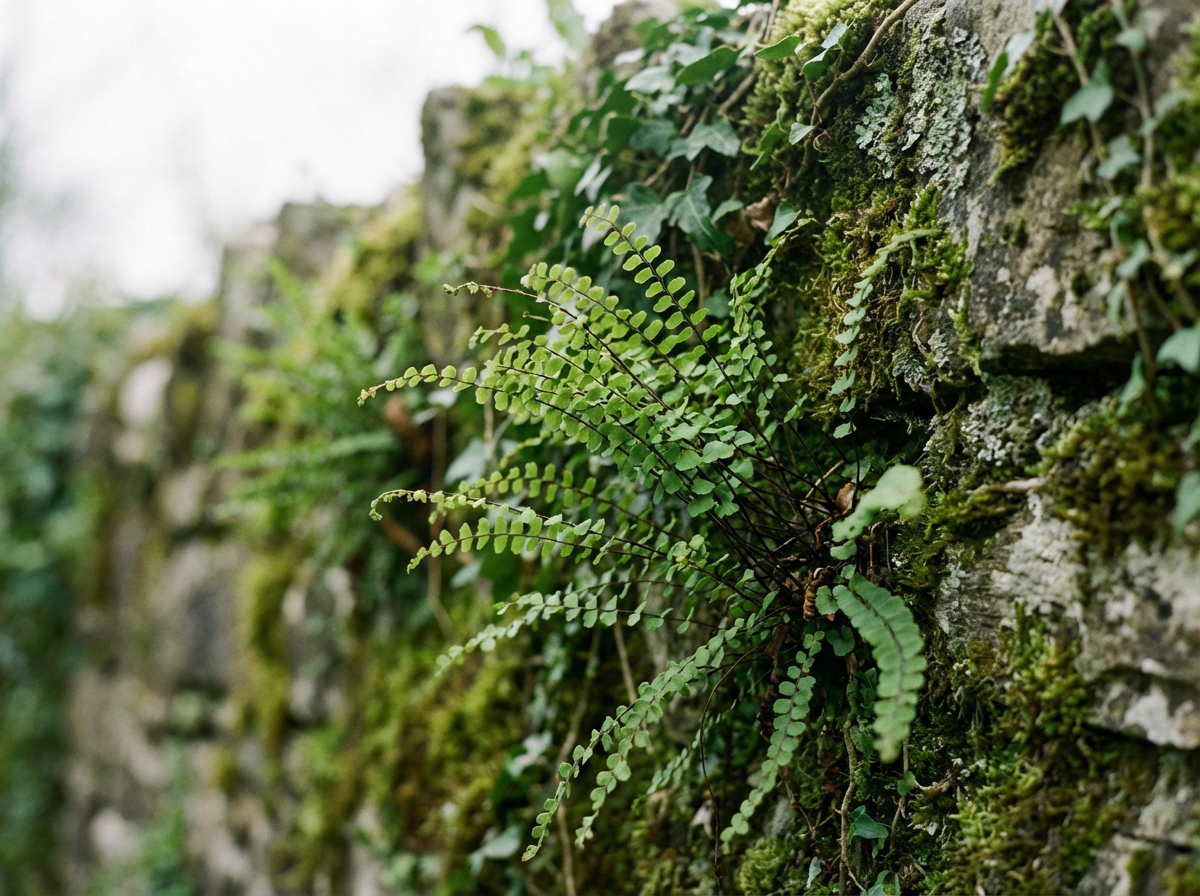
I'm a plant of shade and shelter. You'll find me in ancient woodlands, along mossy banks, in hedgerows, and at the base of old stone walls. I love the dappled light beneath oak, beech, and hazel trees, and I thrive in the cool, moist conditions of the Irish forest floor.
I'm an indicator of ancient woodland — where I grow in abundance, the forest has likely been there for a very long time. I spread slowly through creeping rhizomes, building my carpets of green over decades and centuries. My presence tells you that this is a special, undisturbed place.
One of my most charming habits is the way I fold my leaves. At night, or when rain threatens, I fold my three leaflets downward like tiny closed umbrellas. This is called "sleep movement" or nyctinasty — and it's my way of protecting my delicate leaves from cold and heavy raindrops. Watch me on a woodland walk and you might catch me napping.
Folklore & The Shamrock Question
The great shamrock debate! Many plants have been called the "true shamrock" of Ireland — clover, black medick, and me, wood sorrel. Historically, I'm one of the strongest contenders. My Irish name, Seamsóg, is closely related to seamróg (shamrock), and my three perfect heart-shaped leaflets match the traditional descriptions beautifully.
In old Irish herbalism, I was valued for my cooling, thirst-quenching properties. The lemony leaves were eaten to freshen the mouth and settle the stomach. Country people would chew wood sorrel leaves on long walks — nature's own refreshment.
In the language of flowers, wood sorrel represents joy and maternal tenderness. Its heart-shaped leaves and gentle, nodding flowers have made it a symbol of quiet love and the nurturing spirit of the forest.
From Forest Floor to Jewellery
Wood sorrel is a joy to work with in resin. The delicate white flowers with their lilac veins maintain their ethereal beauty when carefully dried, and the heart-shaped leaves preserve their vivid green colour and distinctive trefoil shape.
I collect wood sorrel during its spring bloom, choosing flowers that are freshly opened and leaves that are bright and unblemished. Each piece is pressed gently and dried slowly to maintain the delicate veining on the petals and the perfect heart shape of each leaflet.
Set in crystal-clear resin, wood sorrel becomes a tiny piece of the Irish woodland you can carry with you — a reminder of mossy paths, dappled light, and the quiet magic of ancient forests. The shamrock-like leaves make it a particularly meaningful piece for anyone with a connection to Ireland.
Ethical Foraging Note
Wood sorrel is common in Irish woodlands but grows slowly. I collect only small amounts from large, healthy colonies, never disturbing the rhizomes that allow the plant to spread. I take a few flowers and leaves, leaving the vast majority for pollinators and to continue carpeting the forest floor.
If you spot wood sorrel on a woodland walk, enjoy it where it grows. Its folding leaves and delicate flowers are best appreciated in their natural setting — on a mossy bank beneath the trees, catching the light between the branches.